





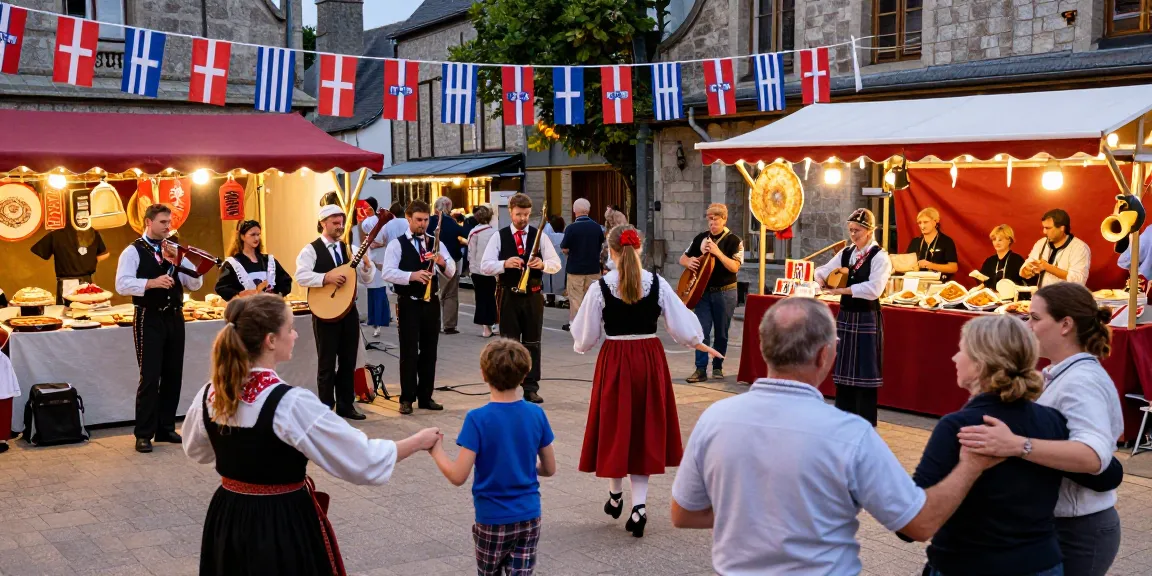
Understanding the Importance of Breton Culture Festivals
Breton culture festivals play a pivotal role in preserving and celebrating the rich heritage of Brittany. These events, deeply rooted in tradition, not only foster community spirit but also create opportunities for local artists and vendors to shine. In the heart of Brittany, the festivals offer a unique platform to showcase music, dance, crafts, and culinary delights that define this vibrant region. With an array of activities, they blend entertainment and education, enabling participants to immerse themselves in the cultural tapestry that defines Breton society. As we explore the multifaceted nature of these festivals, it’s essential to understand how they contribute to cultural continuity and community resilience.
What Are the Key Features of Breton Cultural Events?
Breton cultural festivals exhibit several distinctive features that set them apart, including:
- Traditional Music and Dance: One of the hallmarks of Breton festivals is the prominence of traditional music and dance, showcasing regional instruments like the bombarde and the biniou.
- Culinary Experiences: Local delicacies such as galettes (buckwheat pancakes) and cider are integral, providing attendees a taste of authentic Breton cuisine.
- Craft and Art Exhibits: Festivals typically feature local artisans who display and sell handcrafted products, from textiles to pottery, reflecting the artistic heritage of Brittany.
- Community Involvement: These events encourage local participation, with community members volunteering, performing, or simply attending to support one another.
Additionally, with the digital age in full swing, innovative approaches such as m98 true wallet are being utilized to enhance attendee experience and streamline transactions.
Benefits of Attending Local Festivals for Community
Engaging in local festivals goes beyond mere entertainment; it strengthens community ties. Here are some notable benefits:
- Building Social Capital: Festivals serve as communal gatherings that build relationships among residents, fostering trust and collaboration.
- Promoting Local Economy: Festivals boost local economies by attracting visitors who spend money on food, crafts, and services, benefiting small businesses.
- Cultural Education: Attendees learn about Breton history, folklore, and language, promoting cultural awareness and appreciation.
- Emotional Well-being: The joy of participating in celebrations contributes to mental health and well-being, offering an escape from daily stresses.
Challenges Faced by Festival Organizers
Despite their benefits, organizing festivals comes with numerous challenges, including:
- Funding Issues: Many festivals rely on sponsorships and donations, making financial stability a constant concern.
- Logistical Hurdles: Coordinating events requires meticulous planning, including sound systems, catering, and security, which can overwhelm organizers.
- Weather Dependency: Outdoor festivals are particularly susceptible to adverse weather conditions, which can disrupt attendance and activities.
Effective Strategies to Promote m98 True Wallet at Cultural Events
As technology evolves, integrating digital payment options like m98 true wallet can significantly enhance the festival experience for vendors and attendees alike. This modern approach not only streamlines transactions but also introduces convenience and security for all parties involved. Here are some effective strategies to promote the use of such digital wallets at cultural events:
Innovative Marketing Techniques for Artists and Vendors
Artisans and vendors can leverage unique marketing techniques to attract attention:
- Social Media Campaigns: Utilize platforms like Instagram and Facebook to showcase artworks or products, providing direct links for online purchases through digital wallets.
- Collaborative Projects: Partnering with local artists or breweries can create exclusive festival offerings that draw crowds and encourage wallet use.
- Engaging Content: Sharing stories behind the art or products enhances emotional connections, making potential buyers more inclined to support local creators.
Utilizing Social Media to Increase Engagement
Social media serves as a powerful tool to boost engagement before, during, and after festivals. Consider these approaches:
- Live Broadcasting: Streaming performances or workshops can attract a broader audience who may later decide to attend future events.
- Interactive Contests: Hosting contests or giveaways that require users to tag friends or share posts can amplify reach and engagement.
- Feedback Mechanisms: Encourage attendees to share their experiences and suggestions via social channels, fostering community interaction and improving future events.
Collaborations with Local Businesses for Sponsorship
Establishing partnerships with local businesses can enhance festival funding and offerings:
- Co-Sponsorship Opportunities: Businesses can sponsor specific events or stages, providing them with advertising space while supporting cultural programming.
- Product Collaborations: Collaborating with local food vendors to create festival specials can draw in crowds and promote local cuisine.
- Cross-Promotion: Working together on marketing initiatives ensures mutual benefit and amplifies efforts through combined audiences.
Overcoming Common Obstacles in Festival Management
Successful festival management requires addressing a variety of common obstacles. Here are key aspects to consider:
Dealing with Budget Constraints and Funding Issues
Budgeting is essential for any festival’s success. Strategies include:
- Grant Applications: Seek funding through local government or arts organizations that support cultural endeavors.
- Tiered Ticketing: Offer different ticket levels to attract various audiences and maximize revenue.
- Expense Tracking: Maintain strict oversight of expenditures to avoid overspending and identify potential savings.
Logistical Challenges: Planning and Execution
Effective logistical planning is critical to festival success. Organizers should:
- Create a Detailed Timeline: Break the planning process into manageable tasks with clear deadlines to ensure nothing is overlooked.
- Vendor Coordination: Maintain clear communication with vendors to prevent miscommunication and ensure everyone is aligned.
- Contingency Plans: Develop backup plans for key areas such as technology or entertainment to mitigate unforeseen issues.
How to Handle Weather-Related Setbacks
Weather can pose significant challenges, especially for outdoor events. Strategies include:
- Flexible Layouts: Design festival layouts that allow for easy transition indoors in case of inclement weather.
- Weather Insurance: Consider purchasing event cancellation insurance to minimize financial losses from uncooperative weather.
- Real-Time Updates: Utilize social media to inform attendees of weather-related changes or cancellations promptly.
Measuring Success: Metrics for Festival Outcomes
Measuring the outcomes of cultural festivals is crucial for future planning and improvement. Key performance indicators include:
Participant Feedback and Satisfaction Surveys
Collecting feedback enables organizers to gauge attendee satisfaction and identify areas for improvement. Surveys can ask about:
- Overall Experience: Capture how attendees felt about the festival atmosphere, activities, and organization.
- Specific Preferences: Gather insights on what attendees enjoyed most, which can inform future programming.
- Likelihood to Return: Understanding attendee intention to return helps assess the festival’s long-term viability.
Tracking Attendance and Sales Data
Monitoring attendance and sales provides quantitative insights into the festival’s success:
- Ticket Sales: Analyzing ticket sales can help predict future attendance and inform pricing strategies.
- Vendor Sales: Tracking individual vendor sales helps assess which offerings were most popular and could be repeated.
- Visitor Demographics: Capturing data on who attends can help tailor future marketing and programming efforts.
Long-term Impact on Community Engagement and Cultural Awareness
Ultimately, the success of a festival can be measured by its long-term impact:
- Community Bonding: Evaluate whether attendance fosters a sense of community and belonging among local residents.
- Increased Cultural Awareness: Measure how well the festival promotes understanding and appreciation of Breton culture.
- Support for Local Artists: Assess how participation in the festival contributes to the sustainability of local artists and vendors.
Future Trends in Breton Cultural Festivals Post-2026
As the world evolves, so will the landscape of cultural festivals. Here are some emerging trends to watch for:
Embracing Technology: Enhancing Visitor Experience
Festivals will increasingly integrate technology to improve the attendee experience:
- Augmented Reality (AR): Incorporating AR can enhance exhibits and performances, offering interactive experiences that captivate audiences.
- Mobile Apps: Developing dedicated festival apps can streamline information delivery and facilitate cashless transactions.
- Data Analytics: Utilizing data analytics will help organizers better understand attendee behavior and preferences to tailor future events.
Expanding the Reach: Global Engagement Opportunities
Festivals may seek to engage global audiences through:
- Virtual Participation: Allowing remote participants to engage via live streams can broaden audience reach significantly.
- Cultural Exchanges: Collaborating with international festivals can foster cultural exchanges that enrich local traditions.
- Global Marketing Campaigns: Enhanced marketing strategies can attract international visitors, boosting the local economy.
Forecasting Cultural Shifts and Their Effects on Festivals
As societal values shift, festivals will need to adapt by:
- Inclusivity Initiatives: Greater emphasis on inclusivity will ensure festivals represent diverse community voices.
- Sustainability Practices: Implementing eco-friendly practices will resonate with environmentally conscious attendees.
- Emphasis on Locality: A focus on local artists and producers will maintain authenticity and support the local economy.
What Are the Benefits of Attending Breton Culture Festivals?
Participation in Breton cultural festivals provides numerous benefits, such as:
- Education: Gain insights into the historical and cultural significance of Brittany.
- Relaxation: These events offer a break from daily life and the chance to unwind in a festive atmosphere.
- Social Connections: Meet new people with shared interests and strengthen community ties.
How Can Local Artists Benefit from m98 True Wallet?
Local artists can leverage m98 true wallet as a payment solution by:
- Facilitating Easy Transactions: Streamlined payments simplify the purchase process for customers.
- Providing Transaction Security: Digital wallets offer a secure alternative to cash transactions.
- Improving Financial Management: Artists can monitor sales and revenues effectively, aiding in better financial planning.
What Are the Best Practices for Organizing Cultural Events?
Successful cultural events require meticulous planning. Key best practices include:
- Effective Communication: Establish clear communication channels among organizers, vendors, and participants.
- Thorough Marketing Strategies: Promote the event across various platforms to maximize visibility and attendance.
- Post-Event Evaluation: Conduct evaluations after the festival to identify successes and areas for improvement.
How Can Community Members Get Involved?
Community involvement is crucial for the success of festivals. Here are ways to participate:
- Volunteering: Offering time and skills to assist with festival planning and execution.
- Attending: Simply participating in events supports local culture and businesses.
- Promoting: Sharing events on social media or within community groups helps raise awareness.
Where to Find Resources for Festival Planning?
Organizers seeking resources for planning can access:
- Local Government Support: Many municipalities offer grants or guidance for cultural events.
- Online Communities: Websites and forums dedicated to event planning provide invaluable insights and shared experiences.
- Networking Opportunities: Attending other festivals helps build connections and learn from peers.